We Don’t Have It All Figured Out — And Our Kids Need to Hear That
 Lindsey Peterson
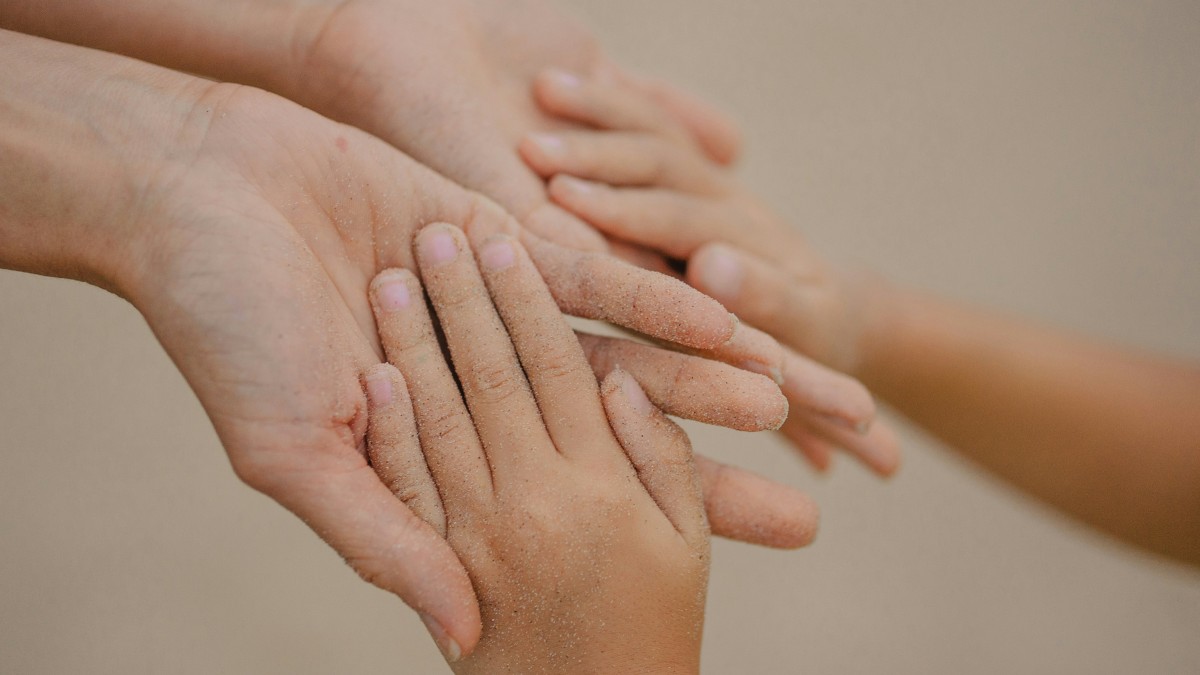
Parenting isn’t about having it all figured out—it’s about learning, growing, and figuring it out together with our kids.
Lately, I’ve been saying something to my kids that still stops them in their tracks:
“I’m learning too.”
Every time the words leave my mouth, they look at me with wide eyes, as if I just revealed a secret no parent is supposed to say out loud. And honestly… I get it. When we’re kids, we look at adults—especially our parents—as people who magically know things. People who don’t mess up. People who have answers tucked in every pocket.
But now that I’m the one in the parent role, I’m seeing how untrue that ever was.
We don’t magically know how to navigate every meltdown, every conflict, every transition.
We don’t come equipped with perfect scripts or endless patience.
We’re learning—constantly—right alongside them.
And the moment I started saying that part out loud, something shifted.
The Myth We All Inherited
Somewhere in childhood, most of us absorbed this belief that adults “just know.” That becoming a parent comes with a guidebook—or wisdom, or certainty—that quietly shows up the same day the hospital hands you a baby.
But in reality?
We are improvising.
We are adapting.
We are unlearning, relearning, guessing, and trying again.
We are people with histories, triggers, nervous systems, and hopes. People who are still understanding themselves, still healing, still being shaped by the world around us.
And honestly… that doesn’t make us weaker parents.
It makes us human ones.
Why Telling Our Kids the Truth Matters
The first time I told my child, “I’m still learning this too,” they looked at me like the ground had shifted under their feet. Their face softened—not with fear, but with amazement.
Because here’s what honesty does:
✨ It frees them from the pressure to be perfect.
If parents don’t know everything, then messing up is part of the process—not a failure.
✨ It teaches humility and growth.
They get to watch us model what it’s like to learn, apologize, and try again.
✨ It builds trust.
Kids feel more connected to us when we stop pretending.
✨ It makes room for teamwork.
We stop standing above them and start standing with them.
There’s something deeply healing about saying, “I don’t have this all figured out,” and watching your child respond with openness instead of fear. It softens the moment. It breaks the tension. It opens the door to connection.
We Learn Better When We Learn Together
The more I say this to my kids, the more I feel the truth of it in my body.
We are figuring out life together—mess by mess, transition by transition, moment by moment.
Some days we navigate smoothly.
Other days every one of us is dysregulated before breakfast.
Most days are a mix of both.
But when I slow down and let them into the process—when I say things like:
-
“I’m frustrated too, and I’m still working on better ways to handle it.”
-
“I don’t know the answer yet, but we can figure it out together.”
-
“I’m learning how to be a better mom every day.”
—something inside me softens too.
The pressure lifts.
The perfectionism loosens.
And I feel more connected to them and to myself.
A New Kind of Parenting
Maybe the most powerful thing we can offer our kids is not the illusion of certainty, but the truth of growth. Not the expectation that adults know everything, but the model that adults keep learning.
This is the kind of parenting I want to build:
A home where it’s safe to not know things.
A home where trying again is normal.
A home where we learn side by side, not top-down.
Because the reality is—every day I spend with my kids, I grow too.
Every hard moment is a lesson.
Every reconnecting moment is repair.
Every conversation is an invitation to do it differently and better.
And honestly? I’m finding so much healing in this.
Not just for them—but for the younger version of me who thought adults were supposed to be flawless.
Turns out the real magic isn’t in having it all figured out.
It’s in figuring it out together.
One step at a time.
One moment at a time.
One imperfect, connected day at a time.
Curious about ADHD for yourself or a loved one?
If you’re curious about ADHD — or if you want something concrete to share with others — I’ve created a free ADHD Screening Toolkit. It includes two evidence-based screening tools that break ADHD down into symptoms and everyday struggles.
Many people who see these tools have that “oh wow, that’s actually ADHD” moment. It’s a simple way to paint a clearer picture of what ADHD really looks like.
👉 Access the FREE ADHD Screening Toolkit here!
Want More Support Like This?
If you found this helpful, I send out occasional emails with more posts like this, upcoming workshops, and new resources for ADHDers, self-healers, and helpers.
👉 Join the email list here to stay in the loop.